Table of Contents
- ¿Club Pumas sigue siendo grande? Lleva 13 entrenadores en 11 años desde ...
- asdfghjklñ : Club Universidad Nacional (Pumas)
- PUMAS on Twitter: "El Club Universidad Nacional informa. #SoyDePumas ...
- Club Pumas sigue demostrando el talento de sus juveniles; se coronó ...
- Patagonia Pumas Tour | Photo Wildlife Tours - Pumas Photo Tour
- Facts about pumas
- Los Pumas volvieron a hacer historia: les ganaron a los All Blacks por ...
- Love letters to Pumas' jersey
- Nike Club UNAM Pumas Shirt 3rd 2020/2021 | peacecommission.kdsg.gov.ng
- Los Pumas presentaron su nueva camiseta alternativa inspirada en los ...
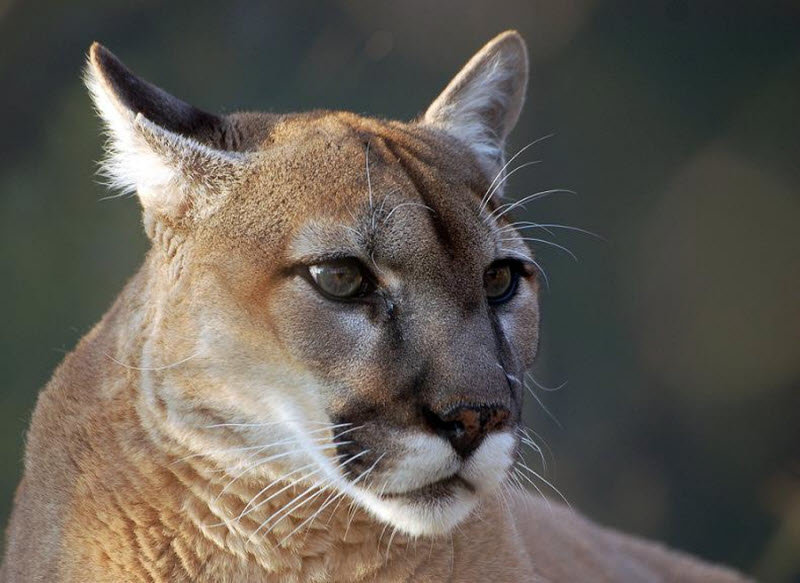


Introduction to the Puma Cat



Diet and Hunting Habits


Habitat and Distribution
Pumas inhabit a diverse range of habitats, from dense forests to grasslands and deserts. They are found in western North America, Central America, and South America, with a wide distribution across various countries, including the United States, Canada, Mexico, and Argentina. Pumas are territorial animals and have large home ranges, which they mark with their scent to keep other Pumas away. They are also excellent climbers and have been known to drag their prey into trees to feed or hide it from other predators.:quality(90)/cloudfront-us-east-1.images.arcpublishing.com/sdpnoticias/DYJH6XA3E5BCPAM7KB62EZAW7Q.jpg)
Conservation Status
The Puma is listed as "Least Concern" on the IUCN Red List, but its population is declining in some regions due to habitat loss, human-wildlife conflict, and poaching. Efforts are being made to conserve and protect Puma habitats, as well as educate the public about the importance of coexisting with these magnificent creatures.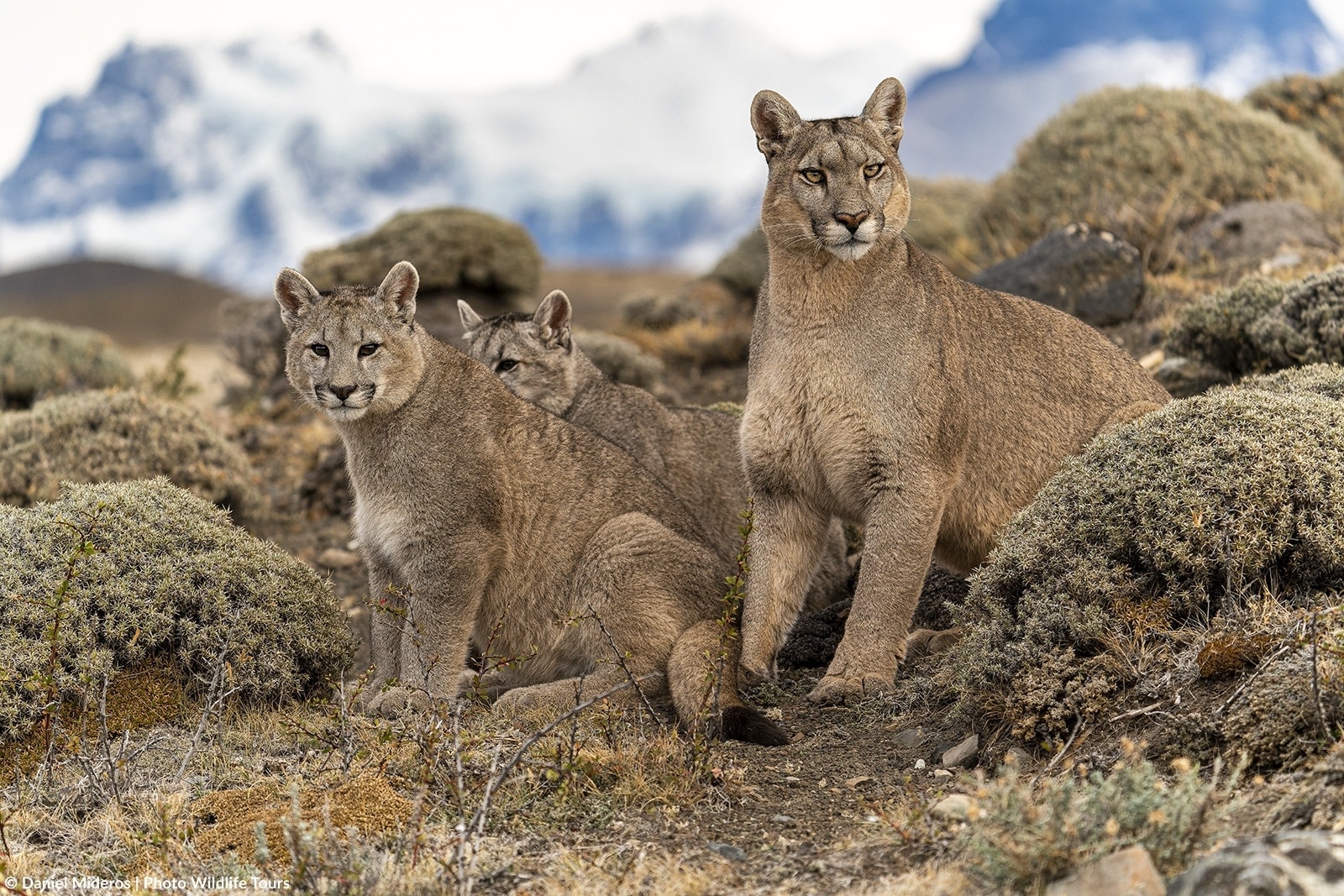
Interesting Facts
Pumas are also known as "ghost cats" due to their elusive nature and ability to remain hidden in their habitats. They are excellent swimmers and have been known to swim long distances to hunt or cross rivers. Pumas can live up to 13 years in the wild, although their average lifespan is around 8-10 years. They are solitary animals and only come together for mating, with females typically giving birth to 2-4 cubs per litter. In conclusion, the Puma is an incredible animal that continues to fascinate and inspire us with its majestic appearance, impressive hunting skills, and adaptability. By learning more about the Puma's habits, habitat, and conservation status, we can work towards protecting and preserving this incredible species for future generations. Whether you're a wildlife enthusiast or simply someone who appreciates the beauty of nature, the Puma is certainly a creature worth learning more about and appreciating.Keyword: Puma, Puma cat, cougar, mountain lion, panther, animal corner, wildlife, conservation, habitat, diet, facts